The Licence Behind the Lorry: Vetting a UK Waste Contractor Before Duty of Care Moves Up the Chain
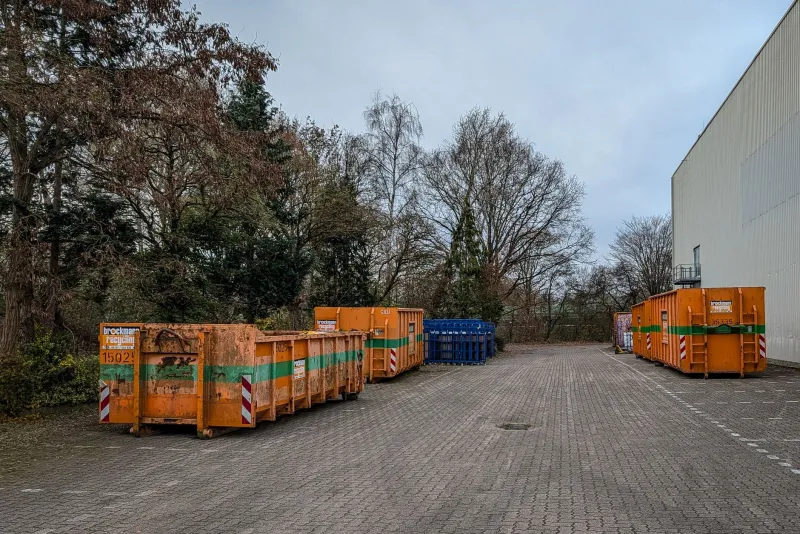
Waste is one of those contractual services that boards tend to notice only when something has gone wrong. The bins are collected, the skips are exchanged, the packaging waste leaves the yard, and the paperwork is filed. The arrangement appears routine. Yet the legal duty of care for controlled waste does not disappear when a contractor takes possession of it. Under the Environmental Protection Act 1990, businesses have responsibilities to ensure waste is handled lawfully and transferred only to authorised persons. When a contractor is thinly operated, over-permitted or quietly storing material it should not, the consequences can travel back up the chain to the client's door.
For UK companies in 2026, waste due diligence should be treated less as a sustainability box-ticking exercise and more as an operational and reputational control. Glossy ESG language and a smart fleet photograph are not evidence of capacity. The useful questions are more grounded: who holds the permit, what does it allow, where is the site, has the regulator taken action, and does the contractor have the physical and financial substance to perform the work it is being paid for?
Why the Board's Exposure Does Not Stop at the Gate
The waste duty of care applies to businesses that produce, store, transport or transfer waste. It requires reasonable steps to prevent waste escaping, to keep waste transfer documentation and to check that the recipient is authorised to take it. A well-drafted contract can allocate obligations and provide indemnities, but it cannot erase the client's own statutory responsibilities or the reputational damage that follows an investigation.
This matters most in facilities management, construction, retail, hospitality, food manufacturing and packaging-heavy supply chains. These are environments where waste volumes are steady, subcontracting is common and cost pressure is constant. A contractor that undercuts the market may be doing so for legitimate reasons, but it may also be running vehicles without the right registration, exceeding a permit's stored waste limits or using an unpermitted site as a staging post. In each case, the client's name can appear in the chain of custody.
Start With the Authorisations, Not the Brochure
The first step is to verify the legal entity, not the trading name. A waste contractor may present a familiar brand while the permit or carrier registration sits with a different company, a parent, a subsidiary or a sole director. The Environment Agency publishes waste carrier, broker and dealer registrations and environmental permits for England. Equivalent regulators operate in Scotland, Wales and Northern Ireland. A desktop check should confirm the exact legal entity, registration number, permit number, site address and permitted waste types.
It is not enough to see that a registration exists. Check whether it is current, whether it is upper tier where required, and whether the permit covers the waste stream in question. A permit for household, commercial and industrial waste may not cover hazardous waste, asbestos, batteries or particular treatment processes. A site may be permitted for storage but not for treatment, or for a lower annual tonnage than the contract implies. These distinctions matter because they define what the contractor can lawfully do with the material it collects.
Read Enforcement History as a Pattern
A single old enforcement notice is not automatically disqualifying. A pattern is more telling. Regulatory enforcement notices, cautions, prosecutions, permit variations, suspensions and refusals can indicate how a site is actually run. Planning enforcement records may reveal unauthorised waste storage or movements. Companies House filings can show a history of name changes, late accounts, insolvency procedures or director resignations timed around regulatory action.
Director histories deserve particular attention. A contractor may be newly incorporated, but its directors may have run previous waste companies that were dissolved, struck off or subject to enforcement. Disqualification checks and cross-referencing director names against prior filings can reveal whether the operating experience is genuine or simply recycled. This is not about casting suspicion on every new entrant. It is about establishing whether the people behind the company have the record and resources to meet the obligations being placed on them.
Test Operational Substance
A permit is a permission, not a guarantee of capacity. A waste transfer station may be licensed for a certain tonnage but physically constrained by site layout, vehicle movements or storage limits. A recycling facility may hold the right paperwork but lack the equipment, staff or offtake arrangements to process what it accepts. Before signing a facilities, construction or packaging-waste contract, consider whether the contractor can demonstrate real site capacity and a credible subcontractor chain.
Discreet site observation can be proportionate where the contract is material. This may involve confirming that the stated address operates as a waste site, that vehicles and containers are present, and that the activity matches the permit. Public planning records can be checked for conditions restricting hours, vehicle numbers or waste types. Financial filings can be reviewed for signs of distress. References should be taken from comparable clients, not merely from businesses that share a director or address.
A Red-Flag Checklist for Pre-Contract Review
- The trading name, contracting entity, permit holder and carrier registration do not match.
- The permit excludes the waste stream, treatment activity or volume the contract requires.
- The carrier registration is expired, lower tier where upper tier is needed, or registered to a different company.
- Enforcement notices, suspensions or prosecutions appear in the recent regulatory record.
- Directors are linked to dissolved waste companies, insolvency procedures or disqualification.
- The site appears to be at or beyond its permitted storage capacity, or has no obvious operational presence.
- Subcontractors are undisclosed or the contractor cannot explain how it audits them.
- The contractor resists providing waste transfer notes, sample returns or audit rights.
- Pricing is materially below market without a credible operational explanation.
- A recent change of name, address or directors coincides with regulatory or financial pressure.
Discreet Verification Steps Before Signature
A proportionate pre-contract review can be completed without drama. Begin with regulator registers and Companies House. Cross-check the exact legal entity, permit numbers, site addresses and director appointments. Review planning records and local authority licensing where relevant. Ask for sample waste transfer notes, insurance certificates and subcontractor details. Where the contract is high-value or high-risk, commission discreet site observation and reference calls through an independent investigator. Keep the enquiry factual and documented.
Contract terms should then reflect what the due diligence has found. Warranties that authorisations are valid, audit rights, obligations to notify enforcement action, approved subcontractor lists and termination rights for permit loss are practical controls. They do not replace verification, but they give the board a mechanism to act if the contractor's position changes.
The board does not need to become a waste regulator. It does need to know who is taking away its waste, whether that party is authorised, and whether the operation behind the paperwork is real. The licence behind the lorry is a better indicator of risk than the logo on its side.